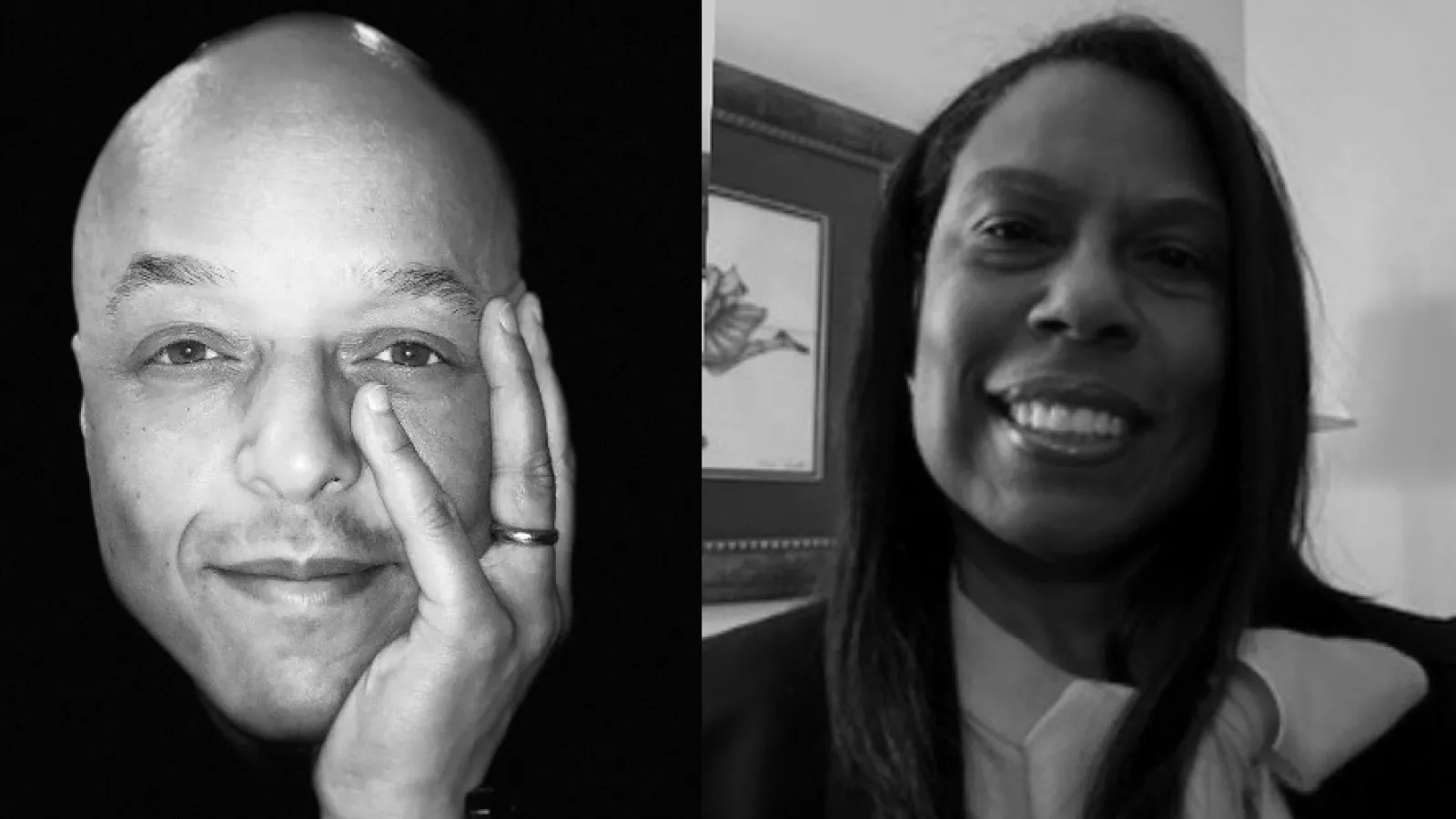
Jesse Owens’ grandchildren reflect on family memories, enduring lessons ahead of Sept. 18 event
By Reilly Cahill
For Stuart Owens Rankin and Marlene Hemphill Dortch, memories of their grandfather Jesse Owens are not limited to four gold medals or Olympic history.
They remember watching westerns, Christmas shopping and spending spring break together in Scottsdale, Arizona.
Ahead of “Running Against History: The Enduring Legacy of Jesse Owens” on Sept. 18, Owens’ grandchildren reflected on those family memories, the lessons he passed down and why his influence continues nearly 90 years after his historic performance at the 1936 Olympics.
Hemphill Dortch said one of Owens’ most significant decisions came well before his Olympic success: attending Ohio State.
“One thing that he has done that I say a lot is he really did change the trajectory of our life, our family’s life,” Hemphill Dortch said. “He was the first one to go to college.”
Although Owens did not graduate from Ohio State, the university awarded him an honorary doctorate of athletic arts degree in 1972.
His connection to Ohio State and the impact of his Olympic achievements will be explored during the Sept. 18 event, presented by the Sports and Society Institute and Ohio State University Libraries.
Owens Rankin and Hemphill Dortch will be part of “Running Against History: The Enduring Legacy of Jesse Owens,” along with 1988 Olympic track gold medalist Butch Reynolds; Kevin Jones, author of “Jesse Owens: A Life in American History”; FOXSports broadcaster Gus Johnson; and Ohio State track and field coach Rosalind Joseph.
Owens won four gold medals at the 1936 Berlin Olympics, but Owens Rankin said one of the most meaningful stories from those Games was the friendship his grandfather formed with German long jumper Carl “Luz” Long.
“The thing that stands out for me as being one of the greatest symbols from his ’36 Games was his friendship with Luz Long, and the unlikely and highly improbable friendship that they created on the long jump pitch,” Owens Rankin said. “You have two world-class titans going at it and, out of it, becoming unlikely allies and friends.”
For Owens Rankin, the friendship demonstrated how competition could create connections that reached beyond sports.
Owens’ influence also extended well beyond his track career.
Hemphill Dortch said her grandfather became a motivational speaker and operated his own public relations firm. His example of public service also shaped later generations of the family.
“His life and his experience really opened up so many doors for our family and as public servants,” Hemphill Dortch said. “My mom was a public school educator, my aunt was a social worker, I have a cousin who’s a principal, I’m an attorney for the government, so we all have been very service oriented.”
Despite becoming one of the most recognizable athletes in American history, Owens Rankin said his grandfather remained humble.
“He very much lived in the present and I think had a degree of humility that prevented him from boasting or really talking about and wallowing in past successes and accomplishments,” he said.
That humility became one of the lessons Owens Rankin carried with him.
“If there’s anything that I have carried from that, it’s been to always just sort of do your best for yourself and your family with honor and respect,” he said. “Always put your best foot forward and try your hardest and do your best.”
For Owens’ family, the continued interest in his life nearly nine decades after Berlin is meaningful.
“Anytime our grandfather is recognized for his accomplishments, it’s always an honor; it’s always humbling,” Owens Rankin said. “Here we are 90 years later and his accomplishments seem to be as relevant and as top of mind for people today as they were 90 years ago, and that’s pretty remarkable.”